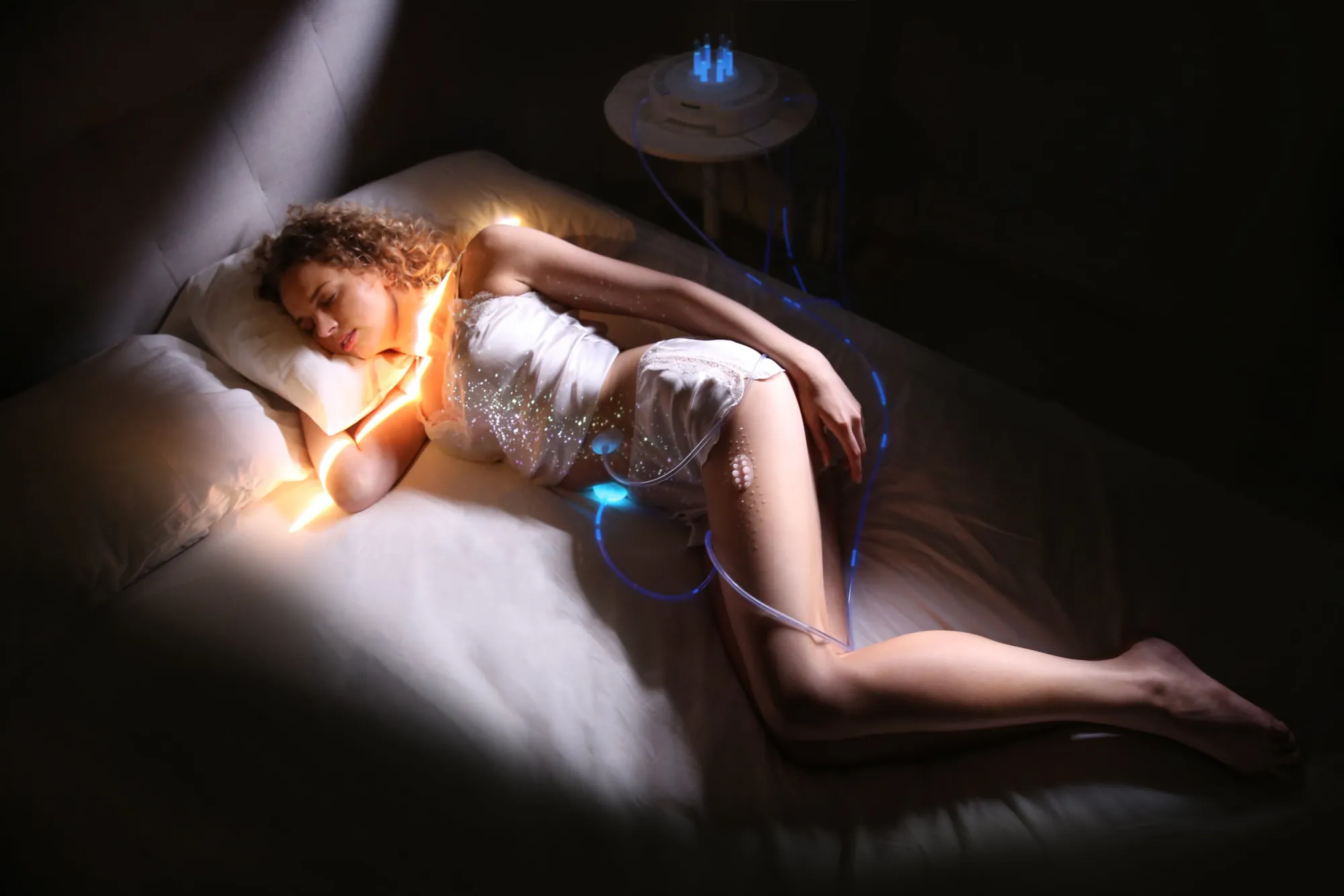
Skin Database speculates on the possibility of DNA-digital data storage on human skin, inquiring into an alternative relationship between the human body and our digital memories. It imagines that due to digital data overload, people start to archive information on the skin to take advantage of the outstanding capacity and longevity of DNA strands.《皮肤数据库》探讨了将 DNA 数字数据存储于人体皮肤的可能性,追问人类身体与数字记忆之间的另类关系。作品设想:由于数字数据过载,人们开始将信息存档于皮肤,以利用 DNA 链卓越的存储容量与耐久性。
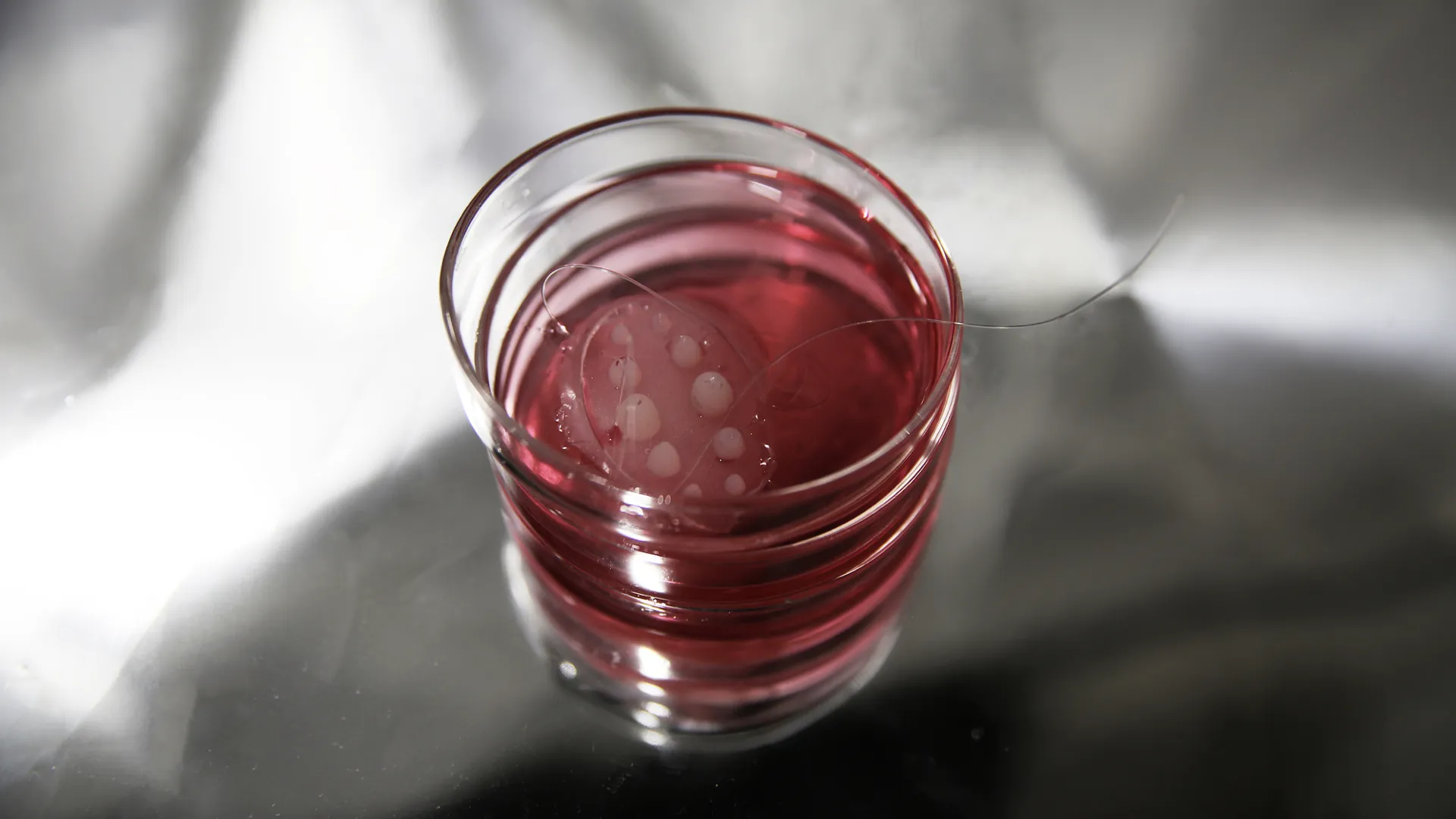
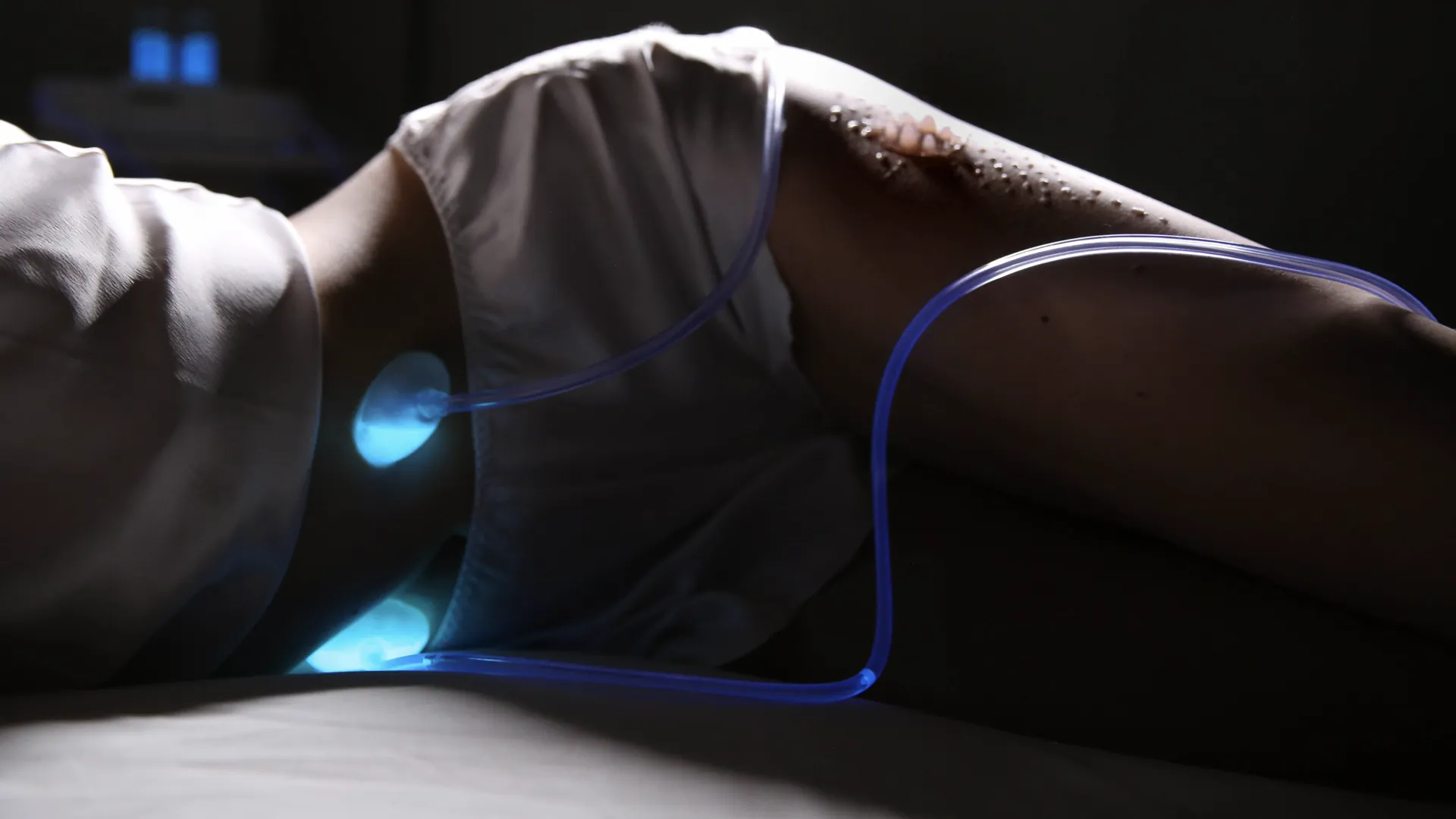
The work comes with four parts: MemoryTags — a genetically-engineered synthetic skin tissue that transplants into the human body for data storage. TACTAG® machine — a converter that loads digital data into the human body through transplanted MemoryTags, transferring binary codes into DNA strands. Embody — a monologue video showcasing the experience of Ashley, a speculated TACTAG® user who uploads her memory to her body but ends up with unforeseen consequences. And a social system built around these interactions.作品由四个部分组成:《记忆标签》(MemoryTags)——一种通过基因工程合成的皮肤组织,可植入人体用于数据存储;《TACTAG® 机器》——一台将数字数据通过植入的记忆标签转入人体的转换设备,将二进制代码转化为 DNA 链;《具身》(Embody)——一段独白视频,呈现了设想中的 TACTAG® 用户 Ashley 将记忆上传至身体后遭遇意外后果的经历;以及围绕上述互动构建的社会系统。
The project aims to open discussion on how fast-developing DNA-editing technologies such as CRISPR could impact our daily routines and shape new social norms.本项目旨在引发关于 CRISPR 等快速发展的 DNA 编辑技术如何影响日常生活、重塑新社会规范的广泛讨论。
Recognized by Falling Walls Science Summit and Lumen Prize Futures Award.荣获 Falling Walls 科学峰会及 Lumen Prize 未来奖认可。
Created at alterR studio, 2019创作于 alterR studio,2019